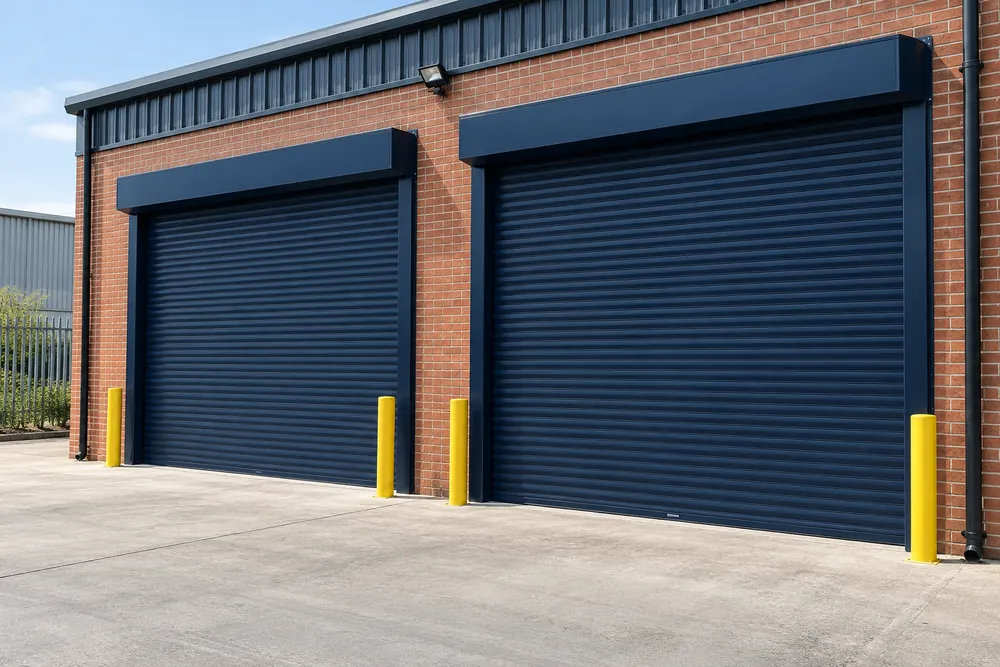
A Specification Built Around Your Premises
A commercial shutter is part of the building and part of the working day. It must suit the size of the opening, how goods move through it and who can reach the moving curtain. A warehouse entrance used throughout a shift has different requirements from a retail frontage closed at the end of trading.
We help business buyers set out the practical requirements before choosing a shutter. That includes landlords replacing worn equipment, contractors coordinating a refurbishment and facilities managers reviewing a difficult entrance. The first step is to understand the opening and the reason for the change.
A survey should establish clear opening dimensions, side room, headroom, supporting construction and the position of existing services. Ask about access to the motor and housing for future maintenance. A neat installation still needs to be serviceable once racking, signage and other equipment are in place.
Curtains, Controls And Everyday Use
Curtain choice depends on the building use, exposure and security requirements. Solid steel, insulated systems and perforated shutters offer different characteristics. Do not assume that a heavier curtain provides a particular security rating or that every insulated shutter achieves the same thermal performance.
Powered operation can make a busy opening easier to manage, but the controls must match the users and foreseeable hazards. Key switches, local controls and access interfaces should be considered as part of the complete system. The specification should explain how the door behaves when people or vehicles are in its path.
Agree what happens during a power failure and who is authorised to use any manual operation. The arrangement must follow the selected manufacturer instructions. Avoid placing storage or equipment where it blocks controls, release mechanisms or a separate pedestrian route.
Installation From Survey To Handover
The survey records the opening, supporting structure and site constraints. It should also identify whether an existing shutter needs removal, whether an electrical supply is suitable and whether permissions are required. A lease or conservation restriction can affect the appearance and installation method.
The proposed specification should describe curtain construction, operation, finish, safety equipment and any builder work. Review it against the actual goods and vehicles using the opening. A replacement should not simply repeat a previous layout if that layout creates avoidable conflict or access problems.
Installation needs a planned work area with staff and vehicle movements managed. Once fitted, the complete door should be commissioned and its safety functions checked. The handover should include operating information, relevant conformity documentation, maintenance guidance and a record of any restrictions.
Standards And Responsibilities
BS EN 13241 covers product performance characteristics for industrial and commercial doors within its scope. BS EN 12453 addresses the safety in use of powered doors. These standards address different questions, so a product description should not substitute one for the other.
HSE guidance explains that a new powered door should come with instructions and a Declaration of Conformity in English. Workplace door safety also needs attention after installation. The person managing the premises should arrange appropriate upkeep and make operating instructions available to those using the equipment.
Reference: HSE: Powered Doors And Gates.
Understanding The Quotation
Opening size, curtain specification, wind exposure, motor duty, finish and control arrangements affect cost. The existing structure can also determine what reinforcement or preparation is necessary. A quote is more useful when it separates the door package from electrical work, access equipment and alterations to the opening.
Ask whether removal and disposal of the old shutter, commissioning and handover documents are included. Confirm the proposed working hours and what access will be available while the opening is being changed. If thermal separation or frequent movement is the main concern, compare a sectional or high-speed door before committing.
Commercial Shutters FAQs
Can A Manual Shutter Be Converted To Powered Operation?
A manual shutter may be suitable for powered operation after an assessment of its condition, construction and safety requirements. Adding a motor changes how the complete assembly works and creates responsibilities for the conversion. Ask for a proposal covering controls, protection, commissioning and documentation, rather than a price for the drive alone.
Do We Need An Insulated Commercial Shutter?
An insulated commercial shutter can be useful where the opening separates a heated working area from outside conditions. The decision depends on the building fabric, opening frequency, seals and temperature requirements. Ask for the performance of the proposed complete door. A curtain description alone will not explain the heat loss through the finished opening.
Related Help For Your Site
Roller Shutter Repairs Industrial Door Maintenance Sectional Overhead DoorsCheck our Birmingham coverage areas or send details of your premises.